
 Français
 Deutsch
 Italiano
 Español
 Português
 Русский
 العربية

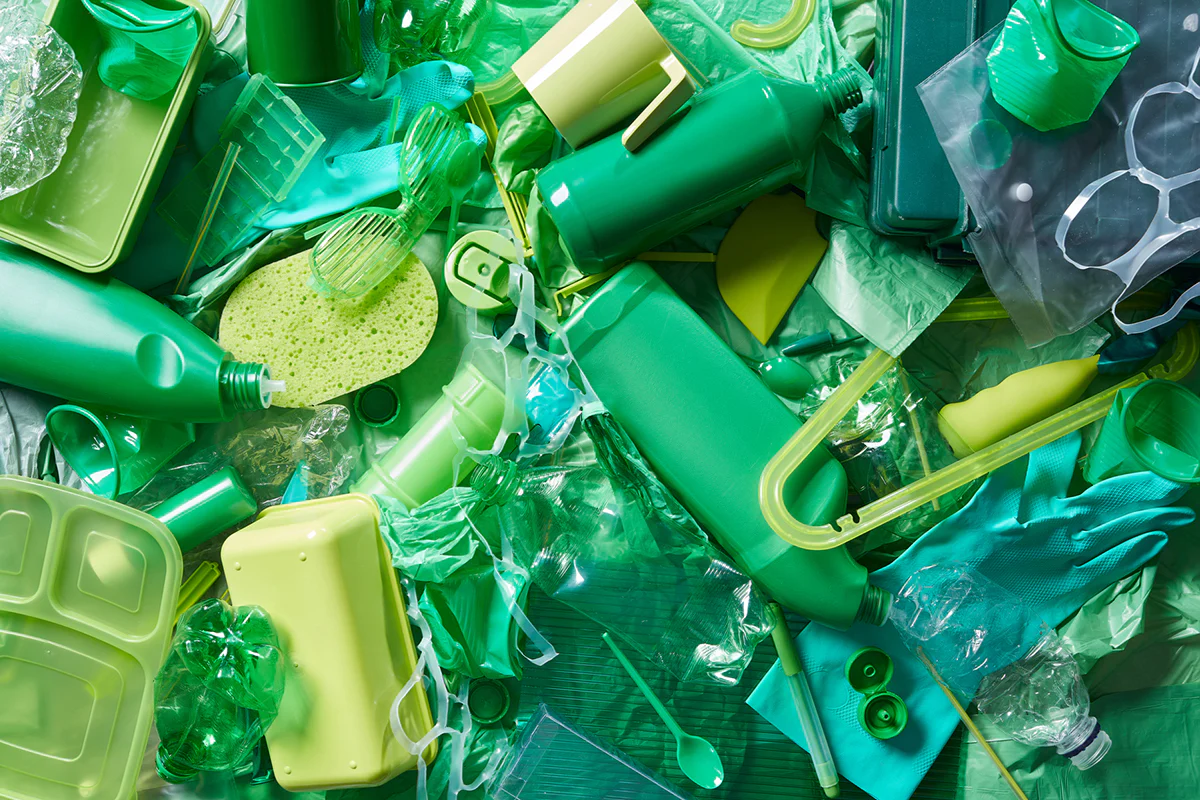
PCR, or Post-Consumer Recycled plastic, is revolutionizing the packaging industry. This guide explores what PCR plastics are, their environmental benefits, and their growing importance in sustainable packaging solutions.
A quick overview of the topics covered in this article.
What is PCR Plastic?
PCR plastic, or Post-Consumer Recycled plastic, refers to a sustainable material made from plastic waste that consumers have used and discarded, such as bottles, containers, and packaging. Collected through recycling programs, this waste is cleaned, processed, and transformed into new plastic products. Unlike virgin plastic, which is derived from fossil fuels, PCR plastic reduces environmental impact by reusing existing materials, cutting down on landfill waste, and lowering carbon emissions.
For businesses and manufacturers, PCR plastic offers an eco-friendly alternative that aligns with growing consumer demand for sustainability. It’s widely used in packaging, consumer goods, and textiles, making it a key player in the circular economy. By incorporating PCR plastic, companies can boost their green credentials while meeting recycling regulations and reducing production costs over time.
Worldwide Post-Consumer Recycled (PCR) Plastic Regulations for Packaging
| Region/Country | PCR Regulations & Mandates | Key Details for Packaging Compliance |
|---|---|---|
| European Union (EU) |
– 25% PCR in PET beverage bottles by 2025. – 30% PCR in PET beverage bottles by 2030. – Single-Use Plastics Directive (2019/904). |
– Targets single-use PET bottles (up to 3L). – EPR schemes enforce targets; fines for non-compliance. – Food-contact PCR must meet Regulation (EU) 2022/1616 safety standards. |
| United States |
– California: 25% PCR in beverage containers by 2025, 50% by 2030 (AB 793). – Washington: 15% PCR by 2025, 50% by 2031. – No federal mandate; state-specific. |
– Applies to plastic beverage containers. – Annual reporting required; CA penalties up to $50,000/day. – FDA approval needed for food-contact PCR. |
| Canada |
– Proposed: 30% PCR in plastic packaging by 2030 (Canada Plastics Pact). – No binding law yet. |
– Covers all plastic packaging types. – Voluntary now, but legislation expected soon. – Aligns with U.S. FDA food safety standards. |
| India |
– Draft proposal: 10-20% PCR in packaging by 2025-2026. – Plastic Waste Management Rules (2021) encourage PCR via EPR. |
– Targets all plastic packaging producers. – EPR credits required; no firm % enforced yet. – Supply chain reliability varies due to informal recycling. |
| China |
– No specific PCR % mandate. – National Sword Policy (2018) shifted focus to domestic recycling. – 2025 goal: Increase recycled plastic use (no set %). |
– Encourages PCR in packaging via incentives, not mandates. – Food-contact PCR must meet GB 9685-2016 standards. – Focus on reducing virgin plastic; vague targets. |
| Japan |
– Resource Circulation Strategy (2019): 25% recycled plastic (including PCR) in packaging by 2030. – No strict PCR-only % yet. |
– Applies to all plastic packaging; PCR share unspecified. – Voluntary industry targets; government monitors progress. – High-quality PCR needed for food-contact (JIS standards). |
| Australia |
– National Plastics Plan: 20% PCR in packaging by 2025. – 50% of packaging recyclable or compostable by 2025 (includes PCR push). |
– Targets all packaging; 20% PCR is a minimum. – Industry-led with government oversight; no fines yet. – Food-grade PCR must comply with FSANZ standards. |
| South Korea |
– Framework Act on Resources Circulation: 20-30% PCR in plastic products by 2030 (packaging included). – EPR mandates recycling quotas. |
– Covers packaging and other plastics. – Producers must report PCR usage; penalties for shortfall. – Food-contact PCR requires KFDA approval. |
| Brazil |
– No specific PCR % mandate. – National Solid Waste Policy (2010) promotes recycling via EPR. – Proposed: 15% PCR in packaging by 2030 (under review). |
– Focus on waste management, not PCR content yet. – EPR compliance required; targets may solidify soon. – Limited infrastructure may affect PCR availability. |
| Global (UN Plastics Treaty) |
– Under negotiation (target late 2024). – Likely to push 20-30% PCR in packaging as a global benchmark. |
– Enforcement depends on national adoption. – Could standardize PCR % for international trade. – Prepare for traceability and certification needs. |
Note: Percentages are minimum requirements unless stated otherwise. “Recycled plastic” targets (e.g., Japan) may include non-PCR sources unless specified as PCR-only. Verify local food-contact standards for packaging safety.
Is PCR Plastic more brittle than virgin Plastic?
Yes, PCR (post-consumer recycled) plastic can often be more brittle than virgin plastic, though it depends on several factors, including the type of plastic, the recycling process, and how it’s handled.
Virgin plastic is made directly from raw materials (like petroleum or natural gas), giving it a consistent molecular structure and predictable properties—typically higher strength and flexibility. PCR plastic, on the other hand, comes from used plastic that’s been collected, cleaned, and reprocessed. During its first life cycle and the recycling process, it can undergo degradation—thermal stress, UV exposure, or contamination—which can weaken its polymer chains. This often results in reduced toughness and increased brittleness compared to virgin plastic.
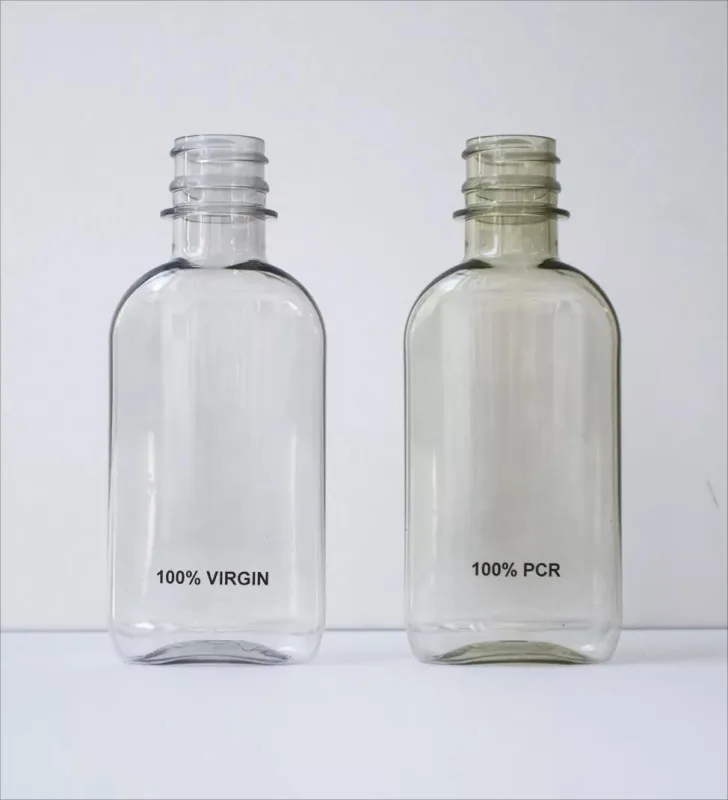
Color Difference Compare with Virgin Plastic and PCR Plastic
Virgin plastic generally provides superior color control and consistency due to its pristine starting point, making it ideal for applications requiring exacting standards. PCR plastic, while more sustainable, tends to exhibit slight color variations or imperfections unless heavily processed or blended. The choice between them often depends on the intended use—whether aesthetic precision or environmental responsibility takes priority.
Gidea PAC: Leading the Way in PCR Plastic Solutions
At Gidea PAC, we offer a wide range of skincare and cosmetic packaging made from PCR plastics. Our commitment to sustainability includes:
- Providing PCR material certifications
- Continuously expanding our refillable product lines
- Exploring innovative ways to reduce environmental impact
Learn more about our sustainable packaging solutions at Gidea PAC


Let's Talk
Packaging
Are you seeking cosmetic packaging solutions that align with both your brand identity and sustainability goals?
If you're currently facing difficulties in finding the ideal packaging solution, look no further. Gidea Packaging provides a plethora of options to meet your specific needs, including the availability of private molds.
Take the first step towards finding the perfect packaging solution by requesting a complimentary consultation with one of our knowledgeable packaging experts.